Why pigeons nest beneath solar panels
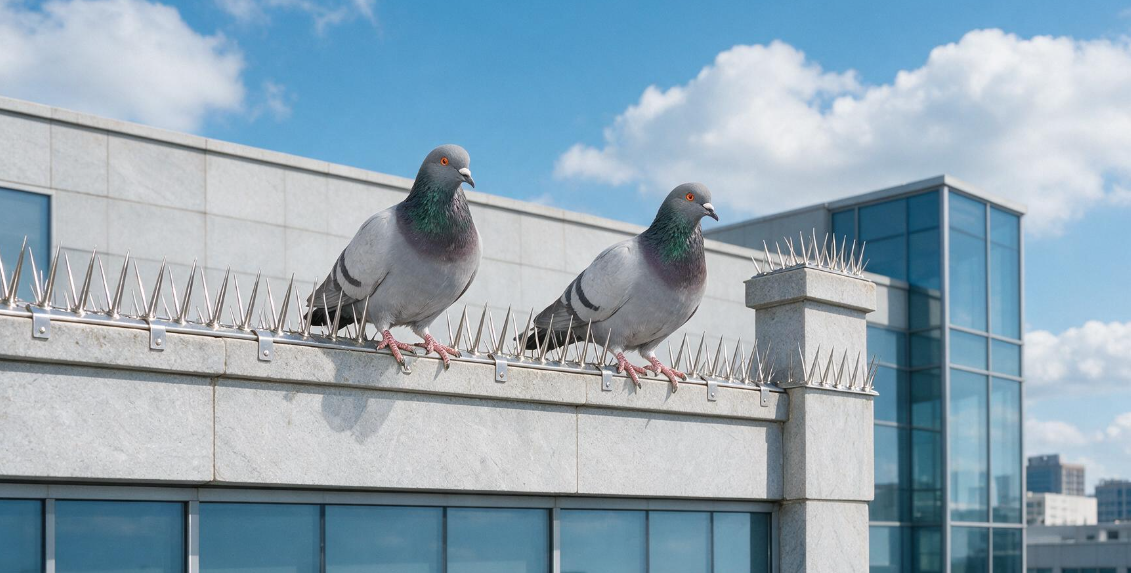
Urban pigeons prefer elevated, sheltered ledges that resemble natural nesting sites. Solar installations create a warm, protected gap between the panels and the roof, often with easy access from several sides.
Once a pair begins nesting, pigeons may return repeatedly. Other birds can also be attracted to the established roosting area.
Food sources in the neighbourhood, accessible rubbish, outdoor feeding and nearby commercial properties may increase bird activity.
How pigeons can affect a solar installation
Pigeons do not usually damage the surface of a solar panel directly, but their nesting behaviour can cause several secondary problems.
Reduced energy production
Bird droppings on the panel surface can block sunlight from reaching the solar cells. Even partial shading may reduce the output of affected panels, particularly when dirt is allowed to accumulate.
Regular cleaning can help, but it will not solve the problem when birds continue living beneath the system.
Damaged wiring
Pigeons may move or disturb exposed cables while nesting. Nesting material can also press against wiring and connectors.
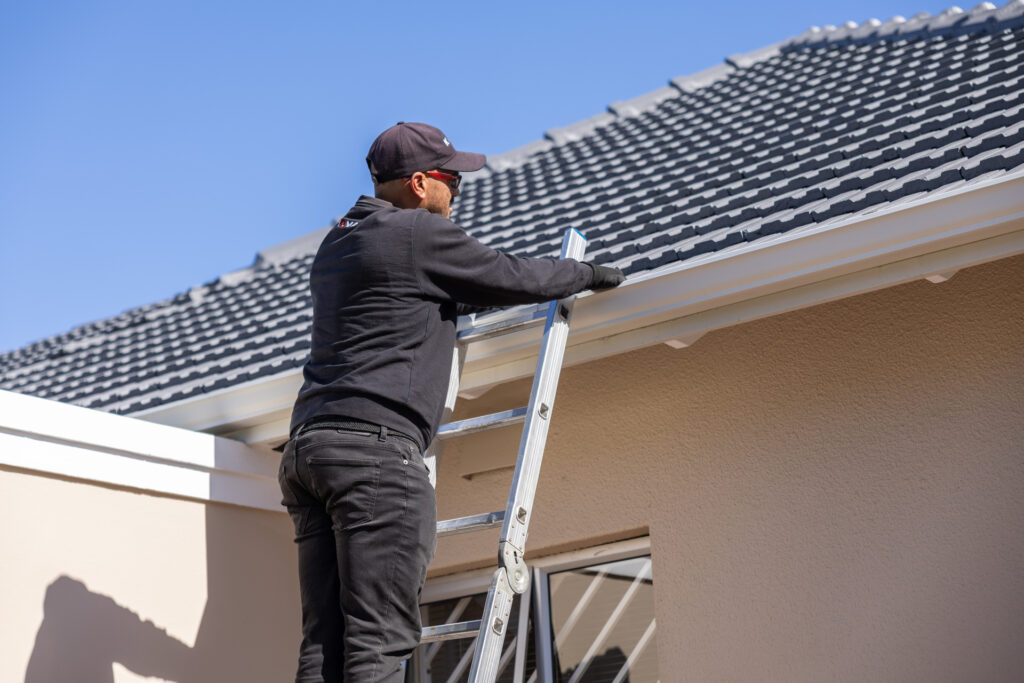
Any concern about damaged solar equipment should be assessed by a qualified solar technician or electrician. Panels and cables should not be lifted or disconnected as part of a do-it-yourself bird-control attempt.
Blocked gutters and drainage
Twigs, feathers, droppings and nesting debris can wash into gutters and downpipes. Blockages may cause water to overflow, increasing the risk of staining, damp and roof-related damage.
Noise and disturbance
Pigeons can be noisy, particularly in the early morning. Homeowners may hear cooing, movement on the roof or birds walking and nesting beneath the panels.
Insects and parasites
Old nests and bird debris may support mites, fleas, flies and other insects. When a nest is abandoned, some of these pests may move into nearby roof spaces or living areas.
Corrosion and staining
Bird droppings can stain roofs, walls, paving and vehicles. Long-term accumulation may also contribute to deterioration of some surfaces and fixings.
Why removing the nest is not enough
Clearing nesting material may provide temporary relief, but pigeons are likely to return while access beneath the panels remains open.
Bird-control work should focus on exclusion: preventing pigeons from reaching the sheltered space without harming them or interfering with the solar system.
Timing is important. Active nests may contain eggs or chicks, and bird-control work must be carried out responsibly. A proper site assessment helps determine the most appropriate approach.
Humane solar-panel proofing
Solar-panel proofing typically involves installing a durable barrier around the exposed edges of the panel array. The barrier closes the gap while allowing ventilation and water drainage to continue.
A suitable system should:
- Prevent birds from entering beneath the panels
- Resist Cape Town’s wind and weather
- Avoid drilling into or damaging the panels
- Allow rainwater and debris to drain
- Maintain access for future maintenance
- Blend discreetly with the installation
The barrier must be fitted securely. Loose or poorly installed mesh may lift in strong wind, create new gaps or interfere with cables and roof surfaces.
Cleaning and sanitising the area
Before proofing, accessible nesting material and bird waste should be removed using appropriate protective measures. The area may also require treatment for bird-associated insects.
Bird droppings should not be brushed or disturbed while dry, as this can release contaminated dust. Large accumulations are best handled by trained professionals with the correct protective equipment and cleaning methods.
Solar panels should be cleaned according to the manufacturer or installer’s recommendations. Harsh chemicals, abrasive tools and unsafe roof access can damage equipment or place the cleaner at risk.
Other areas that may need protection
Pigeons displaced from beneath solar panels may move to another part of the building. Ledges, air-conditioning units, parapets, signage and roof structures should therefore be included in the inspection.
Depending on the property, additional deterrents or exclusion measures may be recommended. The goal is to make the building unsuitable for roosting without trapping or injuring the birds.
Protect your solar investment
Solar systems are a significant investment. Preventing pigeons from nesting beneath them can help protect wiring, maintain cleaner panels and reduce repeated roof maintenance.
Kova Pest Control can assess bird activity around your property and recommend a humane proofing solution suited to your roof and solar-panel layout. Addressing the problem early is usually easier than removing years of accumulated nesting material and waste.