
What do rats in the ceiling sound like?
Rodent activity is usually most noticeable after sunset or in the early hours of the morning.
Common sounds include:
- Scratching or scurrying
- Gnawing
- Light thumping
- Squeaking
- Movement above bedrooms or kitchen areas
Birds, squirrels and loose roofing materials can create similar noises. A professional inspection can help determine what is causing the disturbance before treatment begins.
Other signs of rat activity
Noise is only one warning sign. Homeowners may also notice physical evidence around the property.
Droppings
Rat droppings are dark, elongated and larger than mouse droppings. They may appear in roof spaces, garages, cupboards, storerooms or along regular travel routes.
Gnaw marks
A rat’s teeth grow continuously, so it must gnaw to keep them worn down. Damage may appear on timber, plastic containers, roof materials, pipes and electrical cables.
Damaged wiring can increase the risk of electrical faults and fire, which makes early action especially important.
Greasy rub marks
Rats frequently follow the same routes. Oil and dirt from their coats may leave dark marks along walls, beams, pipes and entry points.
Nesting material
Shredded paper, fabric, insulation and cardboard may be collected to create nests in quiet, hidden areas.
Unusual pet behaviour
Dogs and cats may stare at ceilings, sniff around cupboards or become unusually interested in a particular wall or room.
How rats enter Cape Town homes
Rats can squeeze through surprisingly small openings and are capable climbers. They may reach roofs using trees, boundary walls, pipes, cables and nearby structures.
Common access points include:
- Broken roof tiles
- Gaps beneath eaves
- Open vents
- Damaged fascia boards
- Unsealed pipe openings
- Garage doors that do not close properly
- Overhanging branches
- Defective drain or sewer connections
Removing rodents without closing these entry points may provide only temporary relief.
Why store-bought poison can create new problems
Placing rodent poison in a ceiling may appear to be a quick solution, but uncontrolled use can carry several risks.
A poisoned rat may die inside a wall or inaccessible roof cavity, resulting in a strong odour that can persist for days or weeks. Carcasses may also attract flies and other insects.
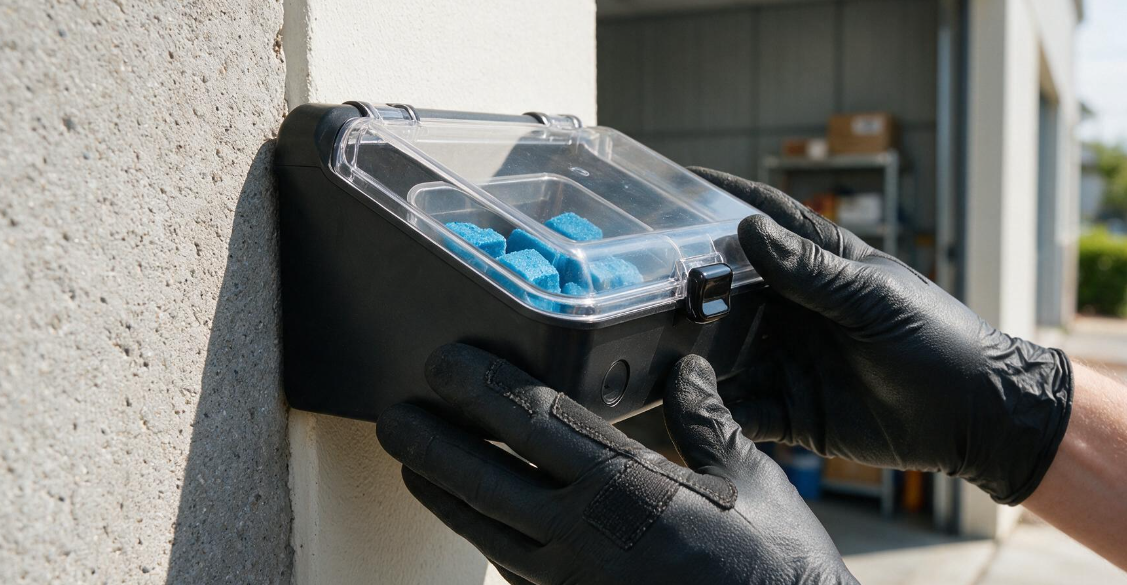
Rodenticides can present a danger to children, pets and non-target animals when they are placed incorrectly. There is also a risk of secondary poisoning if a predator or pet consumes an affected rodent.
Professional rodent control combines treatment with inspection, monitoring and exclusion. The objective is not simply to kill one rat, but to understand how rodents are entering the property and what is attracting them.
What to do when you hear scratching
Avoid opening or disturbing a ceiling space if you are unsure what is inside. Rodents can carry contaminants, and droppings or nesting materials should not be swept or handled without suitable precautions.
Instead, check the outside of the building for visible damage, secure food and pet food, close rubbish bins and remove clutter that could provide shelter.
Do not permanently seal an active entry point until the rodents have been dealt with. Trapping animals inside a ceiling or wall can create odour, damage and further attempts to escape.
Preventing future rodent problems
Once the active infestation has been addressed, exclusion work can reduce the likelihood of rodents returning.
Trim branches away from the roof, repair damaged tiles and vents, seal gaps around pipes and improve waste storage. Outdoor food sources, compost, fallen fruit and pet bowls should also be managed carefully.
Regular inspections can be particularly valuable for properties near open land, waterways, restaurants, food businesses or areas with dense building activity.
Get to the source of the noise
Scratching in the ceiling rarely resolves on its own. The longer rodents remain inside a building, the greater the risk of contamination and structural damage.
Kova Pest Control can inspect the property, identify signs of rodent activity and recommend a practical control and prevention plan. Early intervention can help protect your home before a small problem becomes an established infestation.