
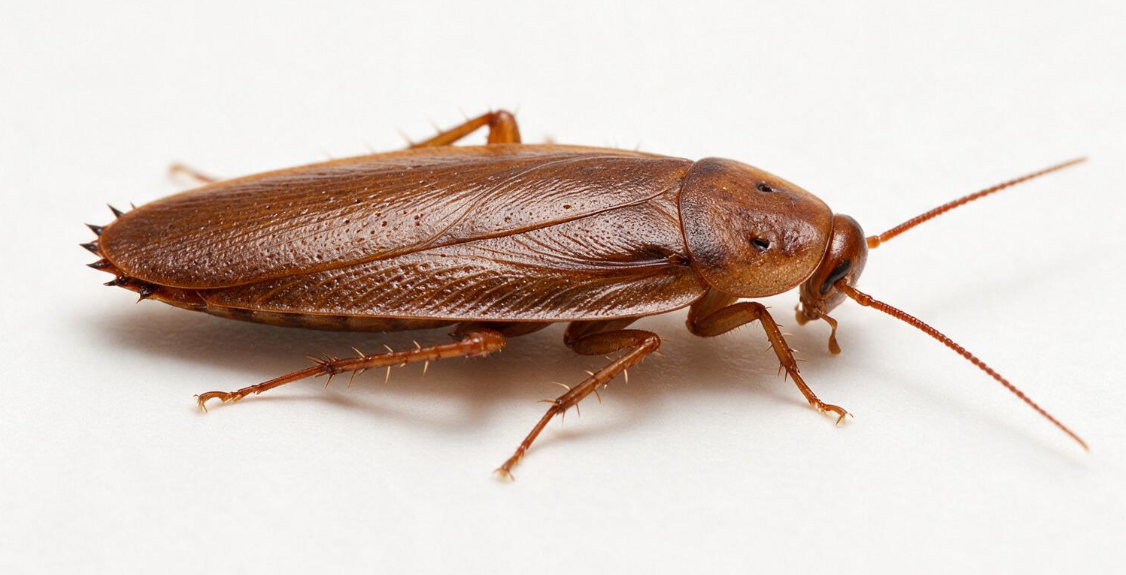
Why cockroaches move indoors during winter
Cockroaches are highly adaptable, but they still prefer warm, sheltered environments. Cold temperatures and winter rain can drive them away from exposed outdoor areas and into homes, flats, restaurants and commercial buildings.
They commonly enter through:
- Gaps beneath doors
- Cracks around plumbing
- Floor drains and damaged drain covers
- Shared walls and service ducts in apartment buildings
- Cardboard boxes, grocery bags and second-hand appliances
Once indoors, they settle close to water and food. Even small crumbs, grease residue, pet food or moisture beneath a sink may be enough to support them.
Early signs of a cockroach infestation
Seeing a cockroach during the day can indicate that hiding spaces are becoming overcrowded. However, there are several less obvious signs to watch for.
Droppings
Cockroach droppings may resemble black pepper, coffee grounds or small dark pellets. They are often found inside cupboards, beneath appliances, around skirting boards and close to food-storage areas.
Egg cases
Cockroach egg cases are small, brown capsules known as oothecae. Depending on the species, they may be hidden in cracks, behind furniture or near appliances.
An unusual smell
A large infestation can produce a persistent oily or musty odour. Food or surfaces may also become contaminated when cockroaches travel through waste, drains and dirty areas.
Smear marks and shed skins
Dark streaks can appear along walls or surfaces in damp areas. Cockroaches also shed their outer skins as they grow, leaving light brown fragments near hiding places.
Where cockroaches hide
Cockroaches prefer dark, narrow spaces where they can remain undisturbed. Common hiding places include:
- Behind fridges, ovens and microwaves
- Beneath sinks
- Inside kitchen cabinets
- Around hot-water systems
- Behind loose tiles and skirting boards
- Inside electrical appliances
- Near leaking pipes and drains
German cockroaches, which are frequently associated with kitchens and food-handling areas, can reproduce rapidly. Treating only the insects that are visible may therefore fail to address the hidden colony.
How to make your home less attractive to cockroaches
Good sanitation plays an important role in prevention, although it may not eliminate an established infestation.
Store food in sealed containers and avoid leaving dirty dishes overnight. Clean grease and crumbs from beneath appliances, empty indoor bins regularly and keep pet-feeding areas tidy.
Repair leaking taps and pipes as soon as possible. Cockroaches can survive for long periods with limited food, but they depend heavily on moisture.
Cardboard also provides shelter and can carry cockroaches or egg cases into a property. Recycle unused boxes and inspect deliveries before storing them indoors.
Finally, seal cracks around pipes, cupboards, windows and doors. In apartment buildings, cockroaches may move between units, so treatment may need to address more than one area.
Why household sprays are often not enough
Aerosol sprays may kill exposed cockroaches, but they rarely reach insects hidden inside walls, cupboards and appliances. Some products can also scatter cockroaches into new areas, making the infestation more difficult to identify and control.
Professional treatment focuses on the cockroach life cycle, harbourage areas and the conditions supporting the colony. Depending on the situation, this may include targeted baiting, crack-and-crevice applications, monitoring and follow-up visits.
Stop the infestation before it spreads
Cockroach populations can increase quickly, especially in warm kitchens and shared buildings. Early treatment is usually simpler than dealing with a widespread infestation.
For help identifying and treating cockroaches in your home or business, arrange an inspection with Kova Pest Control. A targeted treatment plan can address the source of the problem rather than only the insects you can see.